Slow Down, Look Low: A Notice-More Walk Through Kings Heath Park
Most visits to Kings Heath Park are shaped by the obvious things: the wide lawns, the play area, the path that carries you from one gate to the next. There is nothing wrong with that. But there is a second park underneath the first one — a place of worn stone, pencilled-in history and hedges that have been allowed to stay a little shaggy. You do not need a guidebook or a booked event to find it. You just need to walk a touch slower and look a touch closer.
This is a gentle discovery trail for a free afternoon, a slow Saturday morning or that limbo hour after school. It suits families, solo wanderers, grandparents with small companions and anyone who likes the idea of noticing more without marching further. The whole loop can be done in under an hour, and the only equipment required is a pair of eyes and perhaps a phone camera with a zoom.
1. The boundary stone that remembers older edges
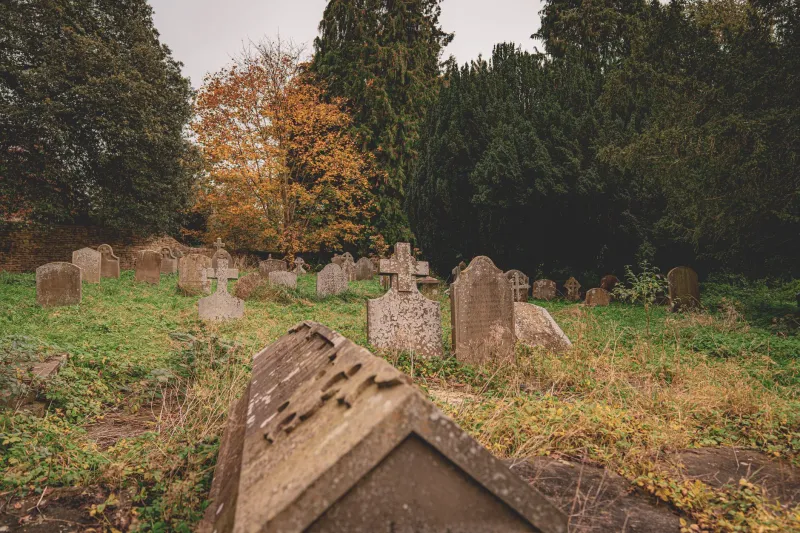
Start by looking low. Where the mown grass meets a hedge or fence, especially along one of the quieter edges of the park, you may spot a stubby stone marker sitting almost shyly in the grass. It is not a sculpture or a monument. It is the sort of ordinary, useful thing that once helped mark where one piece of land ended and another began.
These old markers are easy to miss because they do not announce themselves. Their faces are softened by weather, sometimes furred with lichen, sometimes tipped slightly by roots. That is exactly what makes them worth a pause. Run your eyes over the surface rather than your hands. Lichen is slow-growing and surprisingly fragile, and a good look leaves no mark at all.
2. Bench initials: the park’s unofficial guestbook
Next, find a bench and inspect the arms and backrest. On some of the older timber you will find initials, small dates and the occasional lopsided heart, carved by generations of people who wanted to say, however briefly, that they had been here.
It is tempting to treat a bench like a blank page, but the park’s charm depends on people leaving the next bit for someone else. Look for the oldest-looking marks, the ones almost smoothed away by countless hands and rainy afternoons. They are a quiet reminder that a park is not just a place you visit; it is a place that accumulates people.
3. A veteran tree with a story in its bark
Every park has its characters, and some of them are trees. Look for a trunk wider than your arms can reach, with a lean, a hollow or a crown that has seen better decades. Veteran trees are not tidy, and that is the point. Dead wood, cracks and little pockets of damp are wildlife hotels for insects, fungi and birds.
Give it space rather than a hug. Do not peel bark, snap off loose pieces or climb into hollows. Stand back, look up, and notice how many different textures one tree can hold. In November light, a big old trunk can look almost like a map.
4. The scruffy corner that is doing the most work
Somewhere in the park there is likely to be a corner that looks a bit untended — long grass, brambles, a pile of logs, a hedge left thick at the bottom. Resist the urge to think of it as unfinished. That scruff is a wildlife corner, and it is probably busier than the tidy bits.
Stand still for a minute or two. Listen for rustling, watch for small birds slipping into the hedge and look for insects using the log pile as a sun deck. Keep dogs on a lead near this sort of habitat and stay on the path so the quiet work can carry on. The reward is not a big sign or a spectacle; it is the small, private feeling of having seen something going about its day.
5. A piece of local history hiding in plain sight
Finally, look for the thing that does not quite match its surroundings: a block of stone, an old gatepost, a weathered trough or a plaque that seems to belong to an earlier version of the area. These fragments are easy to walk past because they are not labelled like exhibits. They just sit there, doing their best impression of ordinary park furniture.
If you find one, take a photograph and a moment. Do not scrub it, paint it or try to move it. Small historic details are protected by being left alone and by being noticed. A park that keeps its old edges is a park with a bit of memory in it.
How to look without leaving a mark
The rule for this walk is simple: eyes and cameras, not fingers and pocket knives. Use your phone’s zoom to get a closer view instead of climbing or reaching. Leave carved initials, lichen, bark and loose stones exactly where they are. Keep to paths near the wildlife corner, pop dogs on a lead where the park asks you to, and take litter home or pop it in a bin.
If you spot something damaged or unsafe, tell a member of park staff or report it through the usual council channels. That is how these small wonders stay available for the next person who happens to look down at the right moment.
You do not need to find all five in one go. In fact, it is better if you do not try. Pick one, walk slowly, and let the park reveal itself in pieces. The big stuff will still be there next time.