The No-Car Park Plan: Four Ways to Arrive at Kings Heath Park Feeling Human
Kings Heath Park is one of those places where the journey can be part of the good bit. You do not need to arrive fresh from a spa. You just need to arrive without a parking headache, a soggy shoe and a row about the satnav. As we head into winter 2026, here is a practical, no-drama guide to getting to the park without the car.
Start with the shape of the trip
Kings Heath Park sits close to Kings Heath High Street and the Alcester Road corridor, which means most car-free routes are shorter than people expect. The trick is to plan the last ten minutes as carefully as the first ten. Check the weather, check the return bus times, and decide where you will meet your people. A landmark helps: the main entrance, a familiar bench, the play area, the cafe if it is open. Vague plans make for cold waiting.
1. The bus: the quiet workhorse
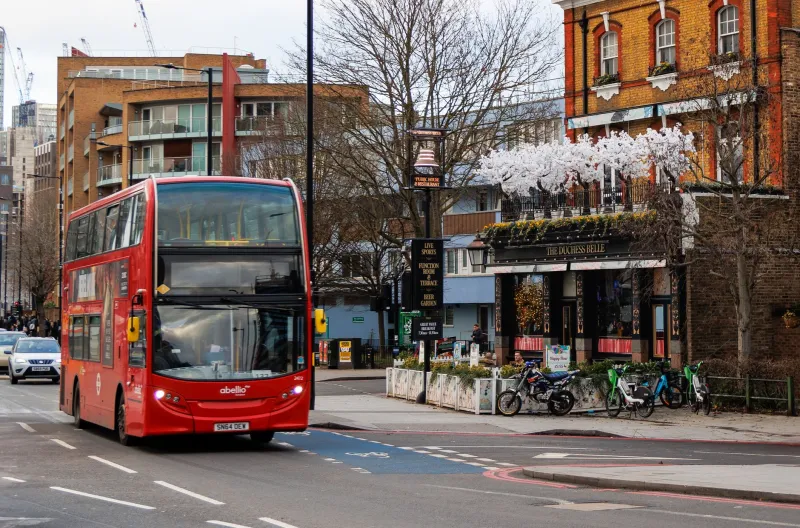
The Number 50 from Birmingham city centre is the best-known link towards Kings Heath, and the 11 Outer Circle is useful for anyone coming from the other side of the city. Other local services run nearby, so use the Transport for West Midlands journey planner rather than relying on memory. Contactless is your friend. So is a screenshot of the return times, because signal and shelters do not always cooperate in November.
For families, the bus is often easier than it sounds. Fold the buggy if you can, avoid the school-run crush if you have the flexibility, and sit downstairs where there is more space. For older visitors, the stops near the High Street and Alcester Road put you within a short, mostly level walk of the park. Ask the driver to alert you if you are unsure. For newcomers, do a trial run in daylight before you commit to a big family outing. That way the route feels familiar before you are herding three children and a football.
2. The bike: short hop, big mood lift
Kings Heath is well placed for a quick bike ride from Moseley, Billesley and Brandwood, but the quietest route is not always the most obvious one. Alcester Road is direct but busy. Side streets and parallel roads are calmer, especially with children. Plan your route around crossings and junctions rather than just following the straight line on a map.
Bring a proper lock and use a fixed stand or rack where one is available. Do not lock your bike to a tree or to railings that block a path. In winter, mudguards and lights are not optional extras; they are basic kindness to yourself and everyone behind you. If you are cycling with a child seat or trailer, check the entrance you plan to use and avoid the muddiest short cuts. A bike ride that ends in a proud park arrival is a good ride. A bike ride that ends in a tangled push through a narrow gate is not.
3. On foot: the neighbourhood route
Walking is the simplest car-free option and the one most likely to put you in a good mood. From Kings Heath High Street, allow around ten to fifteen minutes at a gentle pace. From Moseley, think twenty to twenty-five minutes. From Billesley or Brandwood, allow a little longer. These are not race times. They are estimates for people with small legs, shopping bags or a dog who wants to sniff every lamp post.
Most pavements are fine for pushchairs, but some stretches are uneven and leafier than you might expect. Cross at proper crossings, especially on the busier roads. In November, dusk arrives early, so plan your walk home before the light goes. A torch or phone light is sensible. If you are new to the area, walk the route once in daylight and note the benches, the crossings and the shop that sells emergency snacks.
4. Accessible arrivals: plan the last 100 metres
Car-free does not mean one-size-fits-all. If you use a wheelchair, a mobility scooter, a walking aid or simply need to avoid a long trek, the last stretch matters most. Buses and taxis can drop you near the park entrances, but it is worth checking the exact stop or drop-off point before you travel. If you need specific information about gates, paths or facilities, contact the park or Birmingham City Council before the day. Do not rely on a friend's memory of a path they last used three winters ago.
For older visitors, a shared taxi or community transport can be part of a car-free plan, especially in cold or wet weather. The point is not to be purist. The point is to make the park easier to reach. Paths can be muddy, leafy or icy in winter, so allow more time and consider a companion for longer routes. A folding stick, a charged phone and a known meeting point are small things that make a big difference.
What to pack, realistically
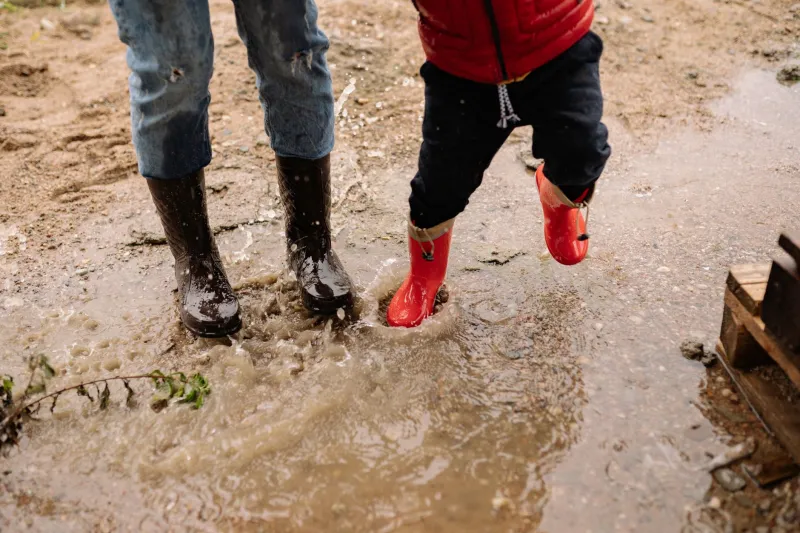
Keep it small. Layers, a waterproof, a torch, water, snacks, a reusable cup, a contactless card and a phone with a route screenshot. If you are cycling, add a lock and lights. If you have children, add spare socks and a small bin bag for wet gloves or muddy treasure. If you are with an older visitor, add any medication, a folding stick if needed and an emergency contact written down.
Seasonal notes for 2026
In November, the park is beautiful but brisk. Sunset is early, paths hold water, and leaves hide slippery patches. Wear shoes with grip. In spring, pollen and mud are the twin trials. In summer, bring water, sun cream and a plan for shade. In autumn, leaves are lovely and slippery in equal measure. Throughout 2026, check the park website and Transport for West Midlands before you travel, especially on event days or when timetables change.
Honest tips for a smooth arrival
Families: avoid the school-run peak if you can, use the toilet before you leave, and agree a meeting point before anyone runs off. Older visitors: build in bench stops and do not race the light. Newcomers: do one reconnaissance trip without a big crowd. Everyone: decide your return plan before you get comfortable. The park is meant to be the calm bit. The journey should not undo it.