Paws, Protocol and the Park: A Newcomer’s Guide to Dog-Walking Life at Kings Heath Park
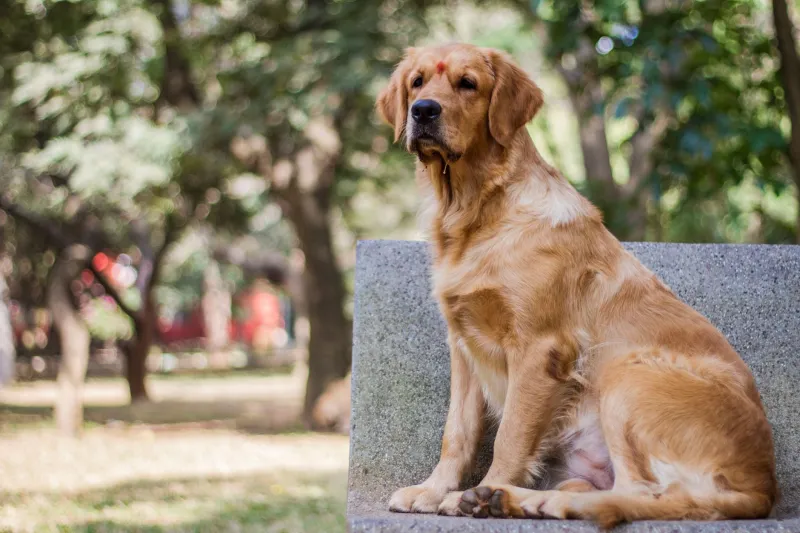
Kings Heath Park has a secret society. It meets at roughly 7.15am, smells faintly of wet spaniel, and communicates in nods, ball throws and the phrase ‘He’s friendly!’ This is not an exclusive club. It just looks like one if you arrive at the wrong time with a nervous rescue dog and no idea where to stand. The good news is that the park’s dog-walking culture is friendlier than its reputation suggests. The cliques are mostly just people who have been turning up at the same hour for years.
The Regulars: A Field Guide
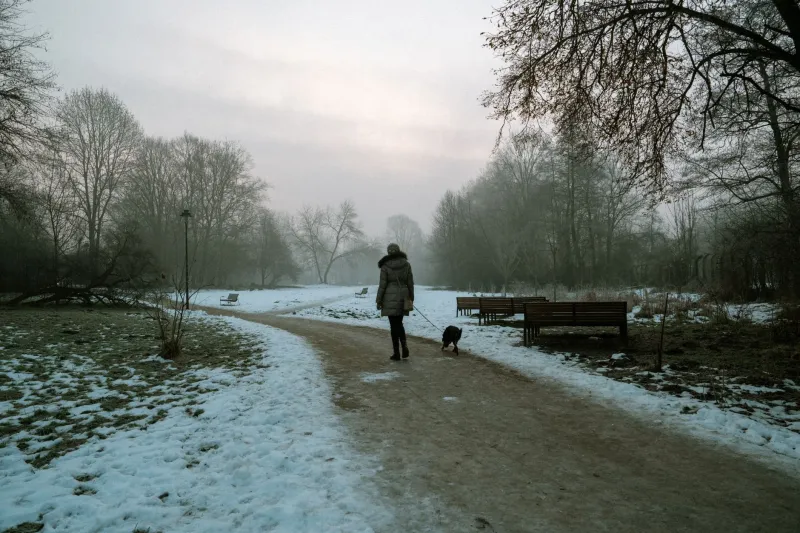
The dawn patrol is there before the bins have been emptied: purposeful types with long leads and thermos cups, doing a brisk perimeter before work. The mid-morning social gathers near the bandstand and the main paths, where dogs do the introductions and humans pretend they are only here for the exercise. The school-run gap is a strange, fast-moving window when the park fills with buggies, scooters and dogs who cannot quite believe their luck. The weekend amblers arrive in family groups, often with a dog who has been promised a big walk and is now being towed towards the play area. Learn the rhythm and you will stop feeling like a gatecrasher.
The Secret Map
There is no actual map, but every regular knows the spots. The bench near the bandstand is the handshake point: stand there for three minutes and someone will ask your dog’s name. The long path by the pond is the lead-on zone in all but name, because ducks, moorhens and small children do not mix with an enthusiastic spaniel. The open lawn is for fetch with a clear head and a good recall, not for a dog who has never met a kite before. The bin near the entrance is the poo-bag pit stop, and the shady edge is where older dogs like to pretend they are still up for a run. Treat these as loose conventions, not law. The park belongs to everyone.
The Unwritten Rules
Leads go on near the play area, the pond and anywhere a small person is waving a biscuit. Ask before you give a treat; some dogs are on special diets and some owners are mid-training. Do not let your off-lead dog charge a dog who is on a lead. That lead might mean ‘nervous’, ‘recovering’ or ‘not today’, and a parallel walk at a distance is kinder than a face-to-face ambush. Pick up after your dog even when you think nobody is watching, especially then. Carry more bags than you need. A short lead is not a judgement on your dog; it is a courtesy to the person coming the other way.
How to Join In Without Causing Chaos
Go at the same time for a few days. Familiarity does most of the work. Smile, say morning, and ask a simple question: ‘Is yours friendly?’ rather than ‘Does he bite?’ Let the dogs meet side by side on a short walk before any bottom-sniffing summit. If you have treats, ask first and keep them hidden until you have permission. Do not launch your dog into the middle of a group and hope for the best. And if someone is walking briskly with headphones on, let them pass. The social side is there when you want it.
Best Times and Routes
For quiet: early morning before 8am, or early evening after the main school run. For company: mid-morning, roughly 9.30 to 11, when the bandstand bench fills up. For avoiding chaos: skip the 3 to 4pm window on weekdays and the middle of weekend afternoons. A simple 20-minute loop around the main paths is enough for a lunchtime leg-stretch; the perimeter gives you a longer stride; the pond loop is best on lead and at a snail’s pace. In hot weather, go early, bring water and test the pavement with the back of your hand. In winter, a torch and a reflective lead are not overkill.
The Considerate Dog Walker’s Checklist
- Lead for the busy bits, plus a spare clip that actually works.
- At least three poo bags, even for a short walk.
- Water and a foldable bowl.
- Treats in a pocket, not in an open hand.
- A recall you trust, or a long line you trust more.
- A towel for wet dogs and muddy boots.
- Awareness of wildlife: give nesting birds, ponds and hedgerows some room.
- A smile for the person who is clearly new to all this.
The park is a shared green space, not a dog park with a few benches attached. That is what makes it good. The toddlers, the joggers, the picnickers and the dogs all have to rub along, and mostly they do. Learn the code, bring the bags, and you will find that the secret society is not secret at all. It is just a bunch of people who love their dogs and their park, standing by the bandstand in the drizzle.