Your Patch, Your Plan: Hosting a Small Community Event in Kings Heath Park
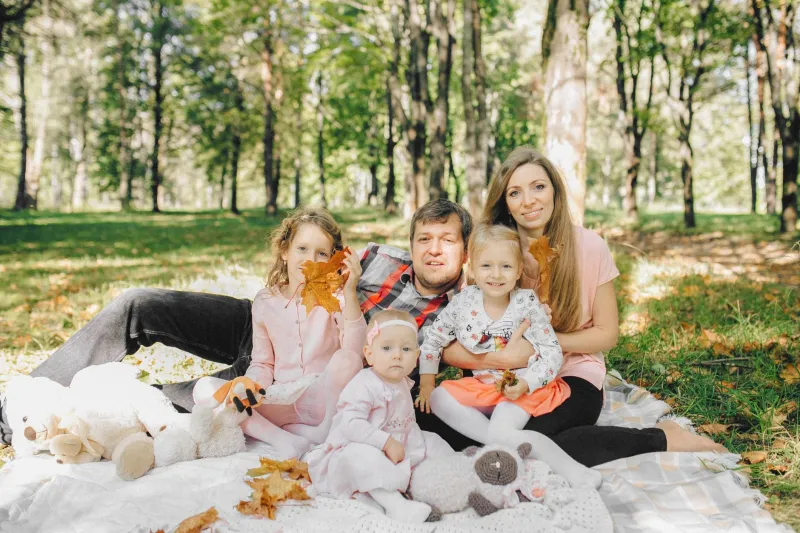
Some of the best park events are gloriously low-key. A blanket, a flask, a dozen people who remembered to bring a spare layer. You do not need a stage, a generator or a committee of forty to make something good happen in Kings Heath Park. But you do need a little care, because the park belongs to everyone. Here is a practical guide for anyone dreaming of a small picnic, run-club meet-up, fundraiser or club gathering in 2026.
Step 1: Start with a small, clear idea
Be specific. Not simply a community fun day, but a ninety-minute picnic for local families on a Saturday morning. Not a charity run, but a friendly 5k with a meeting point, a route and a back marker. The clearer the idea, the easier every other decision becomes. Ask what the park already offers and what would genuinely help your group. A small event done well beats a big event done in a flap.
Think about who might be left out. Can a pushchair get there? Is there a bench for someone who cannot stand for long? Will the timing clash with school pickup or the mosque, church or club calendar? Small adjustments make a big difference.
Step 2: Make the first call before you print anything
Kings Heath Park is a council-owned public park. For anything organised, especially a fundraiser, a stall, amplified sound, a coached run or public publicity, start with Birmingham City Council's parks service events team. Ask about permission, booking, insurance and any conditions attached to the space you want to use. A small informal picnic with friends is usually a different matter from a public event with a banner and a collecting bucket, but if you are unsure, ask. Do not guess and do not assume that a quiet corner is automatically free.
If there is an active friends group connected to the park, ask them too. They often know the practical rhythms of the place: where the ground stays soft, which entrance gets busy, what has worked before. Get the important answers in writing. A friendly email trail is worth more than a vague memory of a phone call.
Step 3: Build a one-page plan
You do not need a binder. You need one page that answers the obvious questions. What is happening, when, and for how long? Who is responsible on the day? How many people do you expect? What happens if it rains? Where will people gather, and how will they find you? Are there toilets nearby? What is the first-aid plan? How will you manage waste? What will you do about sound, so that the event does not take over the whole park?
Name a responsible person and a backup. If children are involved, think about safeguarding and supervision. If you are running or cycling, think about route safety, visibility and regrouping. If you are fundraising, think about cash handling and records. Keep the plan short enough that people will actually read it.
Step 4: Sort insurance and money early
Organised events often need public liability insurance. Check what the council requires for your activity and size. If you are raising money for a charity, check the charity's rules and any fundraising regulations before you start collecting. Raffles, auctions and online donations all have their own small print. Keep records, use a secure cash box if you are taking cash, and have a second person count the money. If you are using contactless, test it before the day. Money should never be the thing that makes a good community event feel murky.
Step 5: Make it easy to join
Your invite should say what, when, where, cost, accessibility and what to bring. Use plain language. Put up a sign or two if the council allows it, and choose a meeting point that is easy to describe. For a run club, publish the route, the pace options and the fact that no one gets left behind. For a family picnic, mention buggy access, toilets and whether people should bring their own cups. For a club gathering, say whether newcomers can just turn up or need to message first.
A quiet corner, a named contact and a visible welcome go a long way. So does a simple plan for the end. People like to know whether they can drift off or whether there is a tidy-up crew.
Step 6: Leave no trace, and leave the park better
This is the heart of it. Bring bin bags and take your rubbish home if the bins are full. Avoid confetti, balloons, glitter and rice, because they escape and become someone else's job. Do not bring a barbecue unless you have explicit permission. Stay off soft ground if it is muddy, keep paths clear, and do not block entrances or benches. Keep music low unless you have agreed otherwise. Respect other park users, including the dog walkers, the quiet sitter and the child learning to ride a bike.
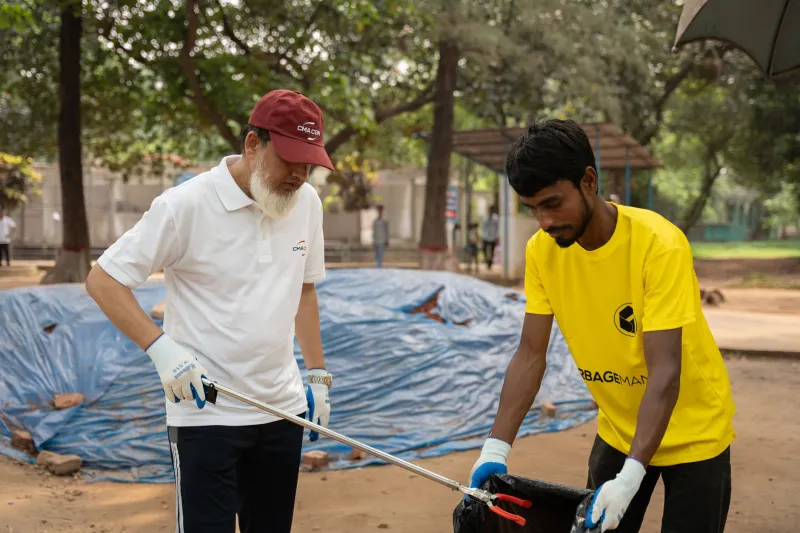
A short litter pick at the end is a lovely habit. It says that your group came as guests and left as carers. Leave no trace is not a slogan. It is a checklist: rubbish, recycling, equipment, signs, lost property, ground conditions.
Step 7: After the event
Count who came, thank the people who helped, and write down what worked. Pay any bills promptly. Share photos only with consent. Tell the council or friends group what you learned, especially if something could be easier next time. Then decide whether you want to do it again. Small events build trust. Trust makes the next one easier.
Kings Heath Park is a shared front room. If you plan gently, welcome people warmly and leave the place tidy, you are not just hosting an event. You are adding to the good feeling that makes the park worth walking to in the first place.