The Hi-Vis Club: A Year Behind the Scenes at Kings Heath Park
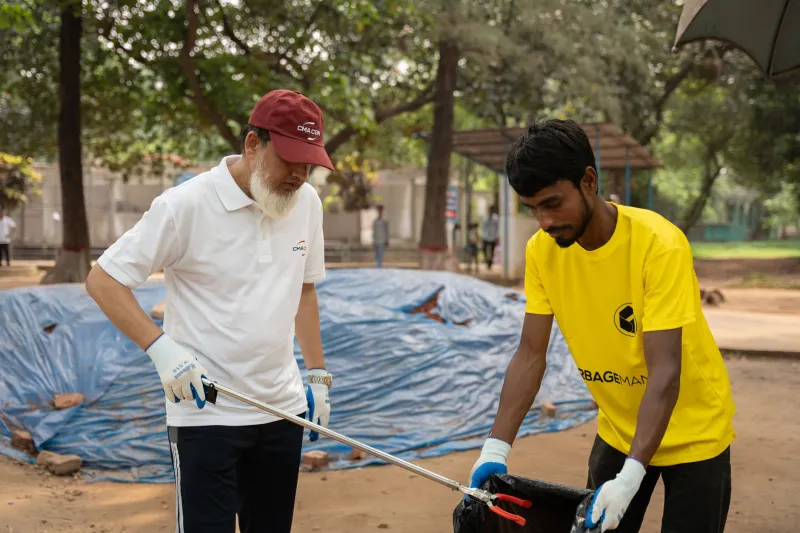
On a bright November morning, Kings Heath Park has a particular kind of quiet. The playground is still waking up, the paths are damp underfoot, and a small group is gathered near the tool store with gloves, loppers and a flask that has clearly done this before. They are not staff in the conventional sense. They are the volunteers — the gardeners, litter-pickers, flowerbed adopters and event helpers who keep the park looking cared for, season after season.
You might have seen them without realising. A yellow jacket by the rose beds. Someone stooping to pick up a crisp packet on the main lawn. A friendly face at a community event, pointing a family towards the toilets. The park does not tidy itself, and it certainly does not plant its own spring bulbs. This is the story of the people who do.
The people in the yellow jackets
The hi-vis jacket is not a uniform, exactly. It is more of a signal: someone is here to help, and they would probably love a chat. Some volunteers come every week. Others dip in for the big seasonal pushes — bulb planting in autumn, bedding out in late spring, leaf clearing when the trees finally let go. Some are retired and have time to spare. Some are parents fitting an hour around school pickup. Some are students, dog-walkers, neighbours, or people who simply wanted to know their local green space a bit better.
What they share is a certain outlook. They notice things. They see the difference between a flowerbed that has been watered and one that has not. They know which path gets muddy first after rain. They understand that a park feels welcoming not because of one grand gesture, but because of hundreds of small ones.
Three portraits from the park
Not every volunteer wants to be named, and not every role has a title. But across a year, a few unofficial characters tend to emerge.
The winter pruner
This is the volunteer who turns up in January when the park is at its barest and the wind has a proper bite to it. They are the one with secateurs in a back pocket and a practical eye for a shrub that has got a bit too enthusiastic. Winter pruning is not glamorous work. It is cold hands, careful cuts and a lot of looking ahead. But it sets up the shape of the park for spring, and it gives the beds room to breathe. If you see someone wrestling a stubborn branch into a wheelbarrow, that is probably them.
The Saturday waterer
In summer, the job changes entirely. New plantings need water, containers need water, and the beds that looked after themselves in April suddenly need a friend. The Saturday waterer is often the person with a watering can in each hand, making repeated trips and pretending it counts as a workout. It is not the most visible job in the park, but it is one of the most important. A dry week in June can undo a whole spring of planting.
The welcome-table volunteer
At events, there is always a table with a flask, a sign-up sheet and someone who knows where everything is. This volunteer is the first friendly face for families, the person who can explain what is happening and when, and the one who quietly makes sure the litter bins are not overflowing. They might not plant a single bulb all year, but they make the park feel like a place where people belong.
A day in the life
No two volunteer sessions are identical, but a typical morning has a rhythm.
8:30am — Arrivals. People drift in, compare gloves, and catch up on park news. The kettle is already a topic of conversation.
9:00am — The briefing. A park officer or volunteer lead runs through the tasks, points out any hazards, and splits everyone into small groups. Today it might be clearing leaves from the path, tidying the edges of a flowerbed, or sorting tools after a busy weekend.
9:20am — Tools down, work up. The first half hour is often the quietest. People find their rhythm. Wheelbarrows squeak. Secateurs snip. Someone discovers a frog and everyone gathers round.
10:45am — Tea. This is non-negotiable. Flasks are opened, biscuits appear, and the conversation turns to the important stuff: the weather, the football, and whether the park has ever looked better.
11:00am — Second push. Refuelled, the group tackles the job that needs two people or a bit of stubbornness. Leaves get bagged. Edges get cut. A bench gets wiped down.
12:15pm — Tools down. Kit is cleaned, bags are stacked, and anything that needs reporting is noted. People drift off, often via the playground or the cafe, and the park carries on looking a little sharper than it did at breakfast.
Through the seasons
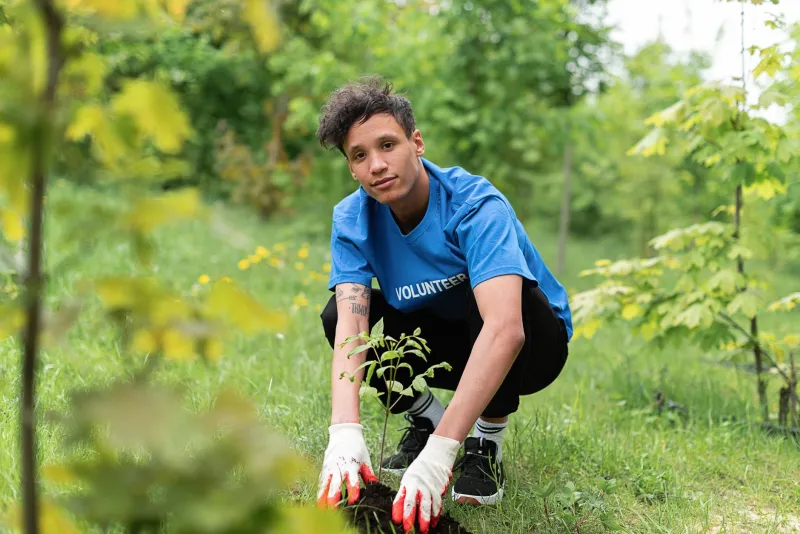
In winter, the work is structural: pruning, clearing, repairing edges and planning for the year ahead. In spring, it is all about bulbs, borders and bedding. Summer is watering, deadheading and keeping on top of the growth. Autumn is leaves, leaves and more leaves — plus bulb planting for the following year.
The park changes, and so does the volunteering. That is part of the appeal. You are not signing up to do the same job forever. You are joining a loose, friendly team that responds to what the park needs.
How to join in without overcommitting
You do not need to be a gardening expert. You do not need your own tools. You certainly do not need to commit every weekend for the rest of your life. Most volunteers start with an hour and see how it goes.
- Join a monthly tidy-up. Check the park noticeboards and the events page for dates. Wear sturdy shoes and bring a pair of gloves if you have them.
- Adopt a flowerbed. If you have a favourite patch, speak to the park team about looking after it. They can advise on planting and what will thrive.
- Help at an event. Stewarding, setting up tables and handing out leaflets are all genuinely useful jobs.
- Do a five-minute litter pick. You do not need a group. A bag and a pair of gloves are enough.
- Say thanks. If you see someone in a hi-vis jacket, a simple hello goes a long way. Volunteers are not looking for a medal, but they do notice when the park feels appreciated.
The small stuff that adds up
Kings Heath Park is right on your doorstep, and keeping it lovely is a team effort. The hi-vis club is not a closed shop. It is a rotating cast of neighbours who have decided to give a bit of time back to the place they use. Some come for the gardening. Some come for the company. Some come because they want their children to grow up knowing that green spaces do not look after themselves.
So next time you spot a yellow jacket by the flowerbeds, say hello. Ask what they are working on. You might just find yourself staying for a while — and coming back next month.