Small Change, Real Difference: A Loose-Commitment Guide to Helping Kings Heath Park
It's a grey Tuesday in November. You've got twenty minutes between the school run and the supermarket, and the park is on your way. You are not looking for a new commitment. You are not looking for a committee. You are, if anything, looking for an excuse to walk a slightly longer route.
Good news: that is enough. Kings Heath Park doesn't run on grand gestures. It runs on people who notice things, pick up one thing, send one email, or tell one neighbour. Micro-volunteering is the fancy name for it. In practice, it looks like a glove, a carrier bag and ten minutes you were going to spend scrolling anyway.
Here are seven ways to give the park a hand without signing your life away.
The ten-minute litter sweep (no hi-vis required)
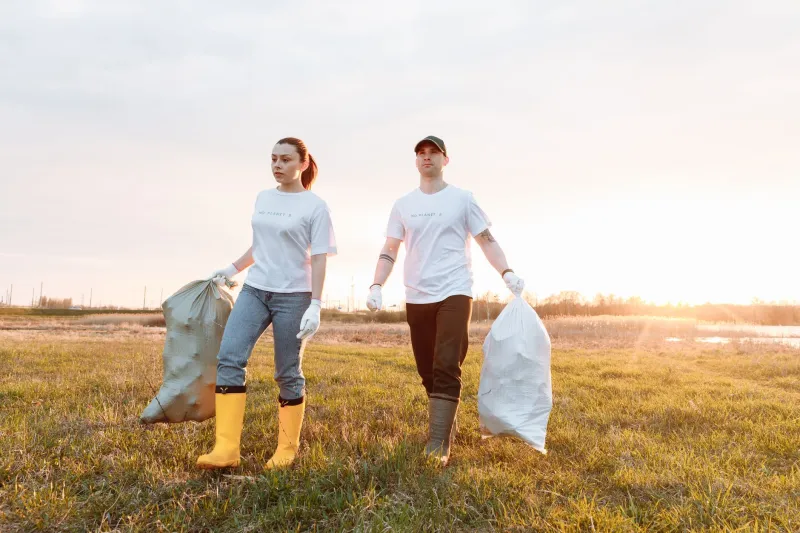
Pick a short stretch — the path between the gate and the café, the edge of the bowling green, the bit by the playground where wrappers gather. Take a pair of gardening gloves and a sturdy bag. Set a timer if you like. When it goes off, stop.
You do not need to clean the whole park. You do not need a litter picker, although they make life easier if you have one. Avoid anything sharp or unpleasant — broken glass, needles, anything that looks hazardous — and report it instead. Wash your hands afterwards. That's it. Ten minutes, one bag, done.
Report, don't repair
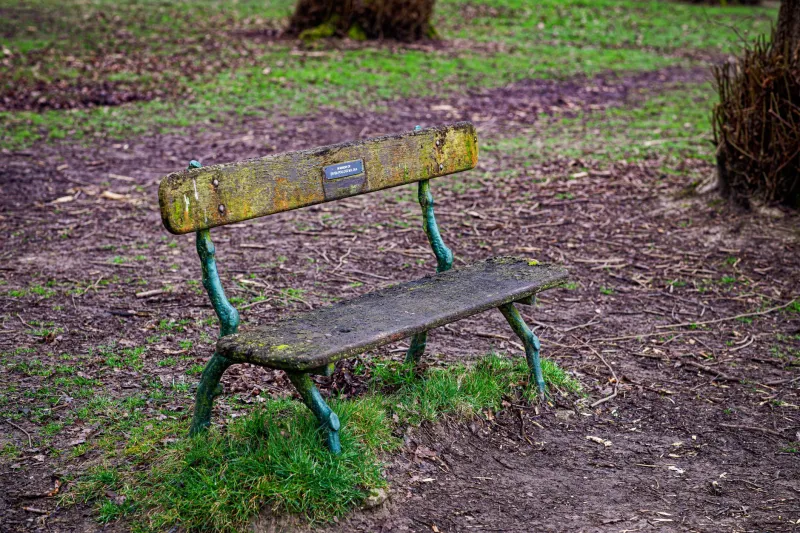
If you spot a broken bench, a wobbly fence panel, fly-tipping, a blocked drain or a fallen branch across a path, the most useful thing you can do is tell someone who can fix it. Note the location properly: 'the bench near the top gate, opposite the bowling green' is much more helpful than 'a bench somewhere'.
Use the council's reporting channels or the park's contact details. Take a photo if it helps. Resist the urge to have a go yourself — not because you're not capable, but because a proper repair is safer and lasts longer. Reporting is real volunteering. It just happens to take two minutes and doesn't require a meeting.
The dog-walker's bonus bag
Most dog walkers already carry bags. Add one spare. On each walk, pick up one piece of litter that isn't yours. One. That's the whole rule.
Over a month, that's thirty pieces of rubbish that would otherwise be sitting in the grass. Over a year, it's a small army of dog walkers doing a small thing often. No organisation, no sign-up, no group chat. Just a slightly fuller pocket and a marginally tidier park.
Share the good stuff
Attendance counts. If there's an event on — a family morning, a seasonal trail, a community tidy-up — forward it to your neighbours' WhatsApp group, stick it in the family calendar, or mention it to the person behind you at the school gate. Bring one friend. Bring a grandparent. Bring a reluctant teenager and buy them a hot chocolate afterwards.
You don't have to organise anything. You just have to pass it on. The park is at its best when the noticeboard is full and the paths are busy, and that happens because people talk to each other.
Leave the picnic bench better than you found it
This one is almost too small to mention, which is exactly why it works. If you use a bench or a picnic table, take your scraps home. Wipe up spills if you've made them. Don't leave a half-eaten sandwich for the squirrels — bread isn't good for them, and it makes a mess. If a bin is full, take your rubbish with you rather than balancing it on top.
It sounds trivial. But the difference between a bench that feels cared for and one that doesn't is often just a few crumbs and a napkin. Small habits compound.
The seasonal ten minutes
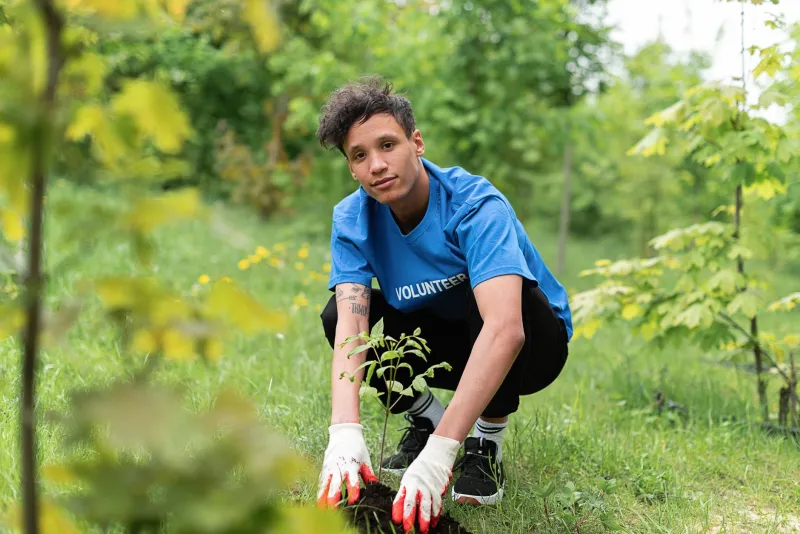
Some jobs only come round once a year. In a dry summer spell, a couple of litres of water for a young tree goes a long way. In autumn, clearing wet leaves from a drain grate stops a path flooding. In winter, a quick check that the noticeboard hasn't been filled with out-of-date flyers is oddly satisfying.
You don't need to remember all of these. Pick the one that fits the season and the walk you're already doing. The park changes constantly, so the useful jobs change too. That's not a burden; it's just an invitation to pay attention.
The one-click nod
Sign up for the friends group's updates if there is one. Follow the park's news. Fill in the occasional consultation. If you've got an opinion about the playground or the paths, say it politely when someone asks.
This is the lowest-effort form of involvement there is, and it genuinely helps. Organisers spend a lot of time wondering whether anyone cares. A reply, a share or a filled-in form is evidence that they're not shouting into the void. You don't have to attend a meeting to have a say. You just have to press send.
What not to do
Don't prune, plant or paint anything without checking first. Don't move branches that might be habitat unless they're blocking a path. Don't feed the birds bread or the squirrels your leftovers. Don't tackle anything that looks dangerous. The park has people who know what they're doing; the rest of us are here to notice, report and lend a hand where it's safe.
Pick one thing
The hour-a-month club isn't a real club. There's no membership card, no annual general meeting and no minutes. It's just a way of saying: you can care for a place without running it.
So this week, pick one thing. A ten-minute sweep. A reported bench. A shared event. A spare bag in your pocket. Do it once, see how it feels, and then maybe do it again next month. Kings Heath Park is a shared living room, and shared living rooms stay lovely because everyone moves a cup now and then.